-
Standing Firm for Student Success
by: L.B. Iupati Ah See
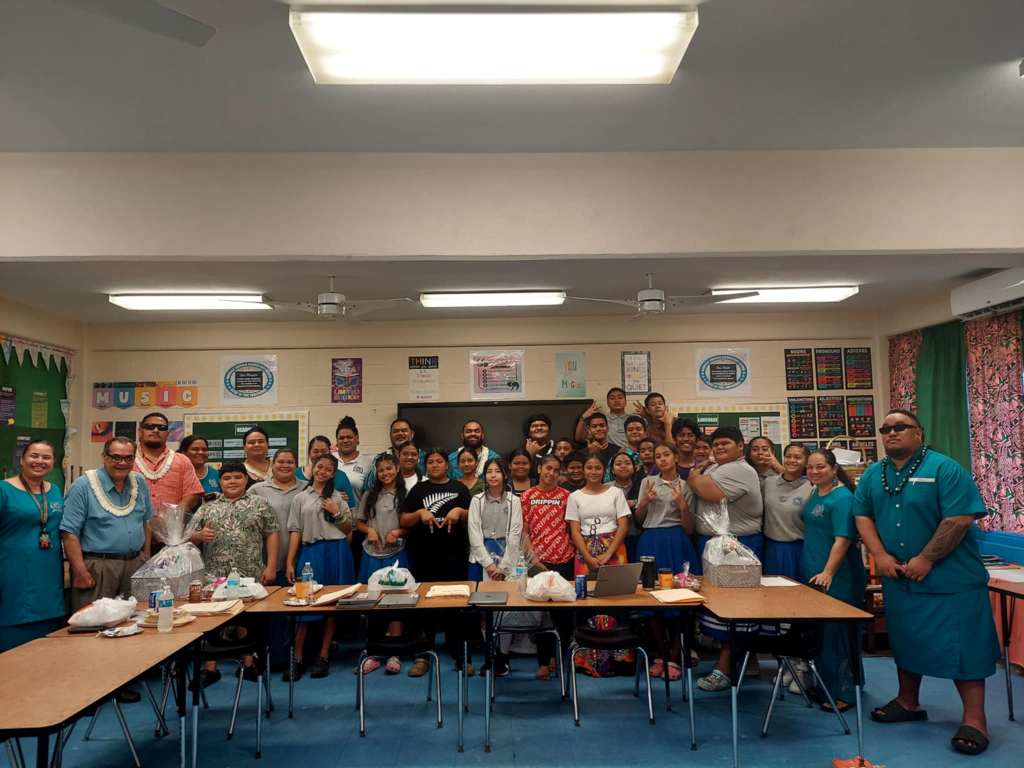
Teachers and Students of Manulele Tausala Elementary School posing for a picture after their School-based Math Competition.

Photo by Sathyaprabha Rakkimuthu on Pexels.com Perfection in Paradise
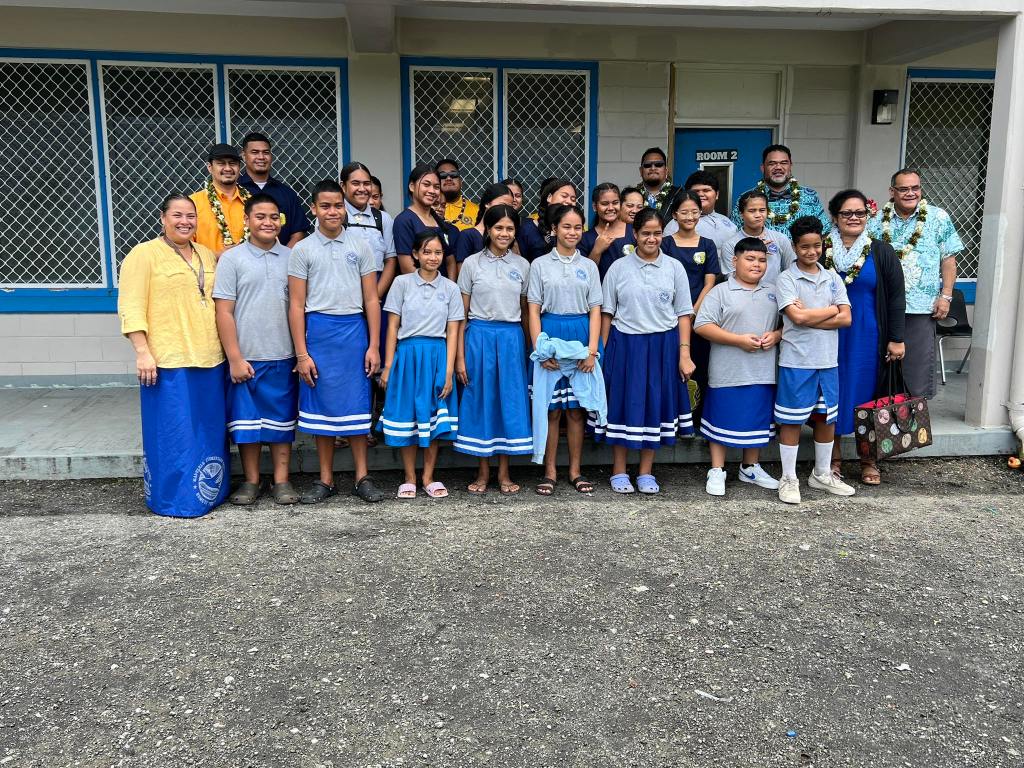
Students of Manulele Tausala in American Samoa, posing for a picture after their School-Based National History Day.

The 5th-grade teachers at Manulele Tausala Elementary School are preparing for the school assembly.
Blog Reflection: Diversity, Equity, and Inclusion
How has your understanding of diversity evolved throughout your program? Explain how your ideas about diversity have been reinforced or changed.
Diversity, Equity, and Inclusion (DEI) is crucial in this program because it expands opportunities for everyone to access education and essential resources. DEI prioritizes inclusivity, ensuring that all individuals are treated equitably and fairly. Students from diverse backgrounds—regardless of their race, disability, or social preferences—deserve equal opportunities that empower them to excel in their education. By expanding access to programs that support their development, we can help all individuals become the best versions of themselves.
In your current or future profession, how can you contribute to creating more equitable systems and practices?
In our school, we launched an exciting new content area focused on educational technology, specifically Scratch coding, for students in levels 5-8. All students must engage with this innovative content, as the modern world increasingly relies on technology in education. This interaction opens up a wider array of career opportunities for our students in the future. Additionally, we must recognize the significance of sports and other educational activities that students need to participate in to enhance their overall educational experience. Prioritizing these initiatives is essential, especially as we face challenges such as limited access to laptops and inconsistent internet connections that disrupt the instructional flow. To address these issues effectively, I will collaborate with stakeholders, school administrators, and parents to ensure that every student has access to new laptops suited for this subject, along with reliable internet connectivity. This support is vital to create a seamless learning environment where all students can thrive in their educational journey.
Just a Thought:
I recognize that some organizations can misinterpret or misuse Diversity, Equity, and Inclusion (DEI) initiatives. For instance, there are moments when these efforts may seem to prioritize race over merit or qualifications, which can inadvertently lead to feelings of racism among individuals. However, I firmly believe DEI is a crucial, positive philosophy that fosters unity among all individuals and promotes both equity and equality. How can DEI lead to transformative benefits in educational institutions and environments?
Blog Reflection: Curriculum Alignment
How has your understanding of assessment evolved during your graduate studies?
Throughout the MAECEL program, I’ve learned and discovered a wide range of factors related to using assessments in the classroom. For instance, educational systems include different types of assessment. Quizzes and exams play a crucial role in measuring students’ understanding at key milestones, while performance tasks allow students to demonstrate how they apply knowledge in innovative and analytical ways. Portfolios showcase overall growth and support meaningful feedback, while standardized tests provide a reliable metric for comparison across educational contexts. Formative assessments are vital as they adapt to ongoing teaching needs, enabling responsive strategies, while adaptive assessments enhance personalization through continuous adjustments to meet individual learning styles. Extra-class assessments foster equity awareness among educators, ensuring every student is supported. Despite their different methods, all these assessment types aim to improve student progress through constructive feedback. Each has distinct advantages and contexts where they shine best.
Assessments play a vital role in education by providing essential insights into learning progress for students, evaluating instructional effectiveness for educators, and offering valuable information to policymakers regarding school performance, program efficacy, and necessary policy enhancements. High-quality assessments rest on three critical qualities: validity, reliability, and fairness (Schafer, 2019). Validity reflects how accurately an assessment measures what it is supposed to measure; for example, a mathematics test that fails to evaluate mathematical understanding lacks construct validity. Reliability, on the other hand, pertains to the consistency of assessment results and is quantified through reliability coefficients ranging from 0.0 to 1.0; coefficients above 0.70 are ideal for group interpretations, while those above 0.90 are necessary for individual assessments. Therefore, establishing reliability is essential for validity: an assessment cannot consistently yield meaningful results if it is fundamentally flawed. Fairness is also crucial; it ensures assessments are free from biases that may disadvantage certain groups. This includes careful consideration of score interpretation, comparability across formats, standard-setting processes, and performance differences among language groups.
How will you ensure alignment when developing your instructional plans?
Curriculum alignment significantly influences student learning through four interconnected dimensions: achievement, engagement, equity, and teacher practice. Extensive research highlights the strong correlation between curriculum alignment and each of these dimensions. By improving curriculum alignment, we can significantly expand learning opportunities and outcomes for students. Evidence shows that students are more actively engaged when using well-aligned resources than when using poorly aligned ones. Aligned curricula not only sharpen focus on essential knowledge and skills commonly assessed, but they also broaden access to high-quality materials and experiences for historically underserved groups.
Moreover, the State Department of Education must recognize the vital role of professional development and teacher training in this context. Educators must be equipped to understand and effectively implement curriculum alignment within their instructional planning and strategies. By doing so, they can create enriched learning environments that cater to all students, ultimately making a profound impact in the classroom.
Just a Thought:
When discussing curriculum alignment, one critical concern I have is how we can better support students facing language barriers. For example, American Samoa has a significant population of English Language Learners (ELL). Curriculum alignment should support effective strategies and practices that enhance the learning experience for ELLs. By implementing targeted approaches, we can significantly accelerate their language acquisition and overall academic success. What ways can curriculum designers create a plan to accommodate learners with poor reading skills?
Blog Reflection: 21st Century Outcomes
Reflect on the balance between using technology and traditional teaching methods in your instructional setting. How do you decide when to use technology and when not to?
In today’s educational landscape, integrating technology with traditional teaching methods is not just beneficial; it is essential for fostering student engagement and motivation. As a 6th-grade teacher, I have witnessed firsthand how educational technology can transform the learning environment. It offers innovative ways for students to interact with material, facilitating a student-centered approach that actively involves them in their education. The rise of coding as a core content area illustrates this shift beautifully. By teaching students the fundamentals of coding, we empower them to create games and engaging online activities that resonate with their interests. This not only enhances their learning experience but also ignites their enthusiasm for technology. Allowing students to incorporate technology into their assignments and group projects is crucial. The vast array of digital tools available helps them access information more effectively and engage with content more deeply.
Moreover, as many students show a keen interest in content creation, providing opportunities for technological engagement can inspire them to develop both their aspirations and skills in this field. To continually improve my proficiency in 21st-century skills, I am committed to pursuing professional learning opportunities that will deepen my understanding and refine my instructional practices. Embracing this journey will not only benefit my growth as an educator but also positively impact my students’ futures in an increasingly technology-driven world.
How will you continue to develop your own proficiency in 21st-century skills as an educator? What professional learning opportunities will you seek out to deepen your understanding and refine your instructional practices in this area?
As educators, mastering the fundamentals of technology tools that enhance learning is essential for our success and efficiency. Utilizing resources such as printers, projectors, and laptops can significantly streamline our work and elevate the educational experience. A powerful way to deepen your understanding of educational technology is to team up with colleagues; don’t hesitate to reach out for guidance on new online tools or platforms. While some might feel reluctant, remember that collaboration fosters growth, and seeking help is a sign of strength. Additionally, professional development offers invaluable opportunities to learn from tech-savvy experts on various educational technology topics. These sessions provide practical insights and step-by-step processes that will empower educators to grasp essential concepts. Although adapting to new tools can be challenging, with time and practice, educators can successfully integrate technology into their teaching, ultimately benefiting both themselves and their students.
Just a Thought:
We are undeniably immersed in a technology-driven world. Each day, technological advancements redefine our lives, from saving lives to simplifying everyday tasks. How can educators harness technology to elevate their professional development? What strategies can they adopt to design enriching, technology-enhanced learning experiences for their students?

Photo by “Beyond India by Shubham Thakur” on Pexels.com Blog Reflection: Educational Research
How do you believe educational research can inform and improve teaching practices?
Educational research worldwide provides a vital foundation for improving teaching and learning through evidence-based insights, thorough evaluations, and systematic syntheses of information. This research plays a crucial role in making informed instructional decisions and shaping policy effectively. By using educational research diagnostically, we can significantly refine teaching practices. It enables educators to pinpoint learner needs, scrutinize teaching and learning contexts, identify instructional gaps, and consolidate evidence on effective practices. By using these diagnostic analyses, educators can strategically align curricula, contexts, and instructional methods to improve learner outcomes.
By ensuring classroom practices, curricula, assessments, and policies reflect students’ actual needs, strengths, and challenges, we can address the persistent misalignment in many widely adopted innovations. Frequently, effective practices are sustained without strong evidence of their impact on outcomes (Brand, 2018). Thus, aligning educational practices with research evidence dramatically enhances learners’ access to essential support as they strive to master vital knowledge and skills. While much classroom activity aims to help students build foundational knowledge and skills, research shows that many common methods often fall short of this goal.
In your opinion, what are some of the most pressing challenges facing education today that require further research?
Educational research is essential for tackling the urgent challenges that obstruct equitable and sufficient learning opportunities globally. Recent findings highlight several critical issues that demand our immediate attention. First, we must ensure equal access to education and resources, a disparity that persists across countries, regions, and populations. Second, we need to emphasize the quality and relevance of education, which has become increasingly vital in our fast-evolving world. Finally, nurturing holistic learning environments is crucial for fostering student well-being and creating safe schools where every learner can thrive.
Just for Thought:
Educational systems are increasingly acknowledging the importance of equipping students with essential 21st-century skills, such as critical thinking, collaboration, and digital literacy. To achieve this goal, policymakers advocate for a comprehensive realignment of curricula, assessment methods, and teaching approaches across all educational levels to promote deeper learning experiences. Nevertheless, despite growing global awareness, many nations still fall short in successfully integrating these vital skills into their educational frameworks. To truly transform education, Educational Research must play a pivotal role in enhancing student learning and offer effective strategies to support those who are struggling.
Question: How can Educational Research provide support to students who struggle in learning?
Blog Reflection: Education Collaboration
How do you envision future collaborative efforts in your educational or professional journey? What goals and aspirations do you have for future collaborations?
Collaboration is essential for fostering student success, development, and growth at all levels—whether in one-on-one settings, small groups, classrooms, schools, communities, or larger systems. It promotes a collective effort among educators to address challenges that arise within and between classrooms. In professional settings, collaborative efforts remain focused on students, ensuring work products enhance their learning rather than becoming tools for facilitators. When parents and teachers establish strong, trusting relationships centered around student engagement and learning, students are far more likely to thrive on their educational path. Moreover, collaboration can take the form of teacher-led events such as curriculum nights, parents’ days, or meet-and-greet sessions where families can connect with educators. These gatherings give teachers and parents a platform to align their expectations and aspirations for the academic year. Teachers can also share valuable insights from student assessments and work samples while discussing effective practices and strategies to strengthen areas in need of improvement. Ultimately, when teachers and parents unite in partnership—backed by supportive administrators and school leaders who champion collaboration and student learning—shared goals and positive outcomes become attainable realities.
In your opinion, what are the challenges or barriers to effective collaboration in the teaching profession, and how do you think they can be addressed?
Effective school improvement is fundamentally rooted in fostering deeper collaboration between teachers and school leaders. However, we face significant barriers at various levels, including structural challenges, differing professional identities and roles, and issues related to communication norms and trust. Personally, I have experienced these challenges in my teaching environment. Additionally, time constraints, heavy workloads, and resource allocation often impede our collaborative efforts. Research indicates that teachers dedicate most of their available time to instructional activities, leaving insufficient time for collaboration. Limited time for collaboration stems from varying schedules, school release times, and individual teacher responsibilities. Inside schools, differences in class assignments, student loads, planning periods, and extracurricular obligations create inconsistent workdays and opportunities across different grades and departments.
To tackle these challenges effectively, school leaders need to implement a comprehensive action plan to address these barriers. By proactively cultivating a culture of collaboration, we can promote positive outcomes and prevent conflicts from evolving into significant setbacks for both teachers and students. Furthermore, targeted professional development can equip teachers and school leaders with essential methods, practices, and strategies that foster a collaborative environment anchored in support and trust. These initiatives will help reduce conflicts around collaboration and strengthen our collective impact on student success.
Just for Thought:
While collaboration plays a crucial role in enhancing student success, teachers and parents should consider alternative strategies when collaborative efforts fail to improve learning outcomes and assessment scores. What specific actions and interventions can be implemented to effectively address these challenges?

Photo by David Kanigan on Pexels.com The Path to Success:
What academic achievements are you particularly proud of during your time in the program? How do these skills contribute to your readiness for the next steps in your career?
The (MAECEL) Masters of Arts in Early Childhood Leadership program has been pivotal in shaping my professional journey, particularly as I advance toward becoming a leader in education. This program has instilled in me a profound sense of purpose, empowering me to lead within my community and make a meaningful impact on the younger generation. It emphasizes leadership and innovation, promotes developmentally appropriate practices that foster student growth, and encourages leaders to articulate their goals and vision. Together, we create vibrant learning environments where everyone is valued and collectively strives to achieve our mission.
The (MAECEL) program has empowered me to lead my community and school with confidence and purpose. Effective leaders must set clear goals and foster a supportive work environment for all staff. Engaging with parents and stakeholders is also essential to cultivating trust and transparency within the school community. True leadership demands courage, integrity, commitment, and resilience. Ultimately, our efforts must focus on improving our students’ lives at every opportunity. To become an impactful leader, one must first embrace following, serving, and learning through challenges. When the moment arrives to take on a leadership role, those who have prepared will be ready to make a difference.
How do you envision your journey of continued learning and professional development beyond the program? What areas of education are you eager to explore further?Every day presents a valuable opportunity to grow and learn, whether from colleagues, coworkers, or the leaders in our schools and institutions. It begins with small steps—whether it’s managing classrooms, planning lessons, collaborating on goals, or strategizing with your team about which objectives to focus on in the coming days or weeks. Each small victory builds a foundation for greater achievements and prepares you for the challenges ahead. Ultimately, the journey to your goal is paved with the successes you accumulate along the way. As I’ve mentioned, my aspiration is to become a leader in education, guiding my school and positively impacting the lives of all community members, particularly by shaping a better future for our youth.
In education, one area that greatly excites me is educational technology. We live in an age where technology is deeply intertwined with our daily lives, making it essential to explore educational technology and empower students to use it effectively. This field not only presents a wealth of career opportunities, but it also captivates students’ interest more than ever. To maximize this potential, we must ensure that educators receive robust professional development and training tailored to teaching students about the vital role of technology in education today.
References
Coleman, A. & Anjur, S. (2019). Diversifying the STEM Education to Career Pathway!. https://digitalcommons.imsa.edu/cgi/viewcontent.cgi?article=1039&context=sci_pr
Schafer, D. W. (2019). Technical Documentation for Alternate Assessments. https://openpublishing.library.umass.edu/pare/article/id/1654/
-
Subscribe
Subscribed
Have a WordPress.com account? Log in now.

